Check Out the City Before You Check In: Why the Library Belongs at the Top of Your Trip
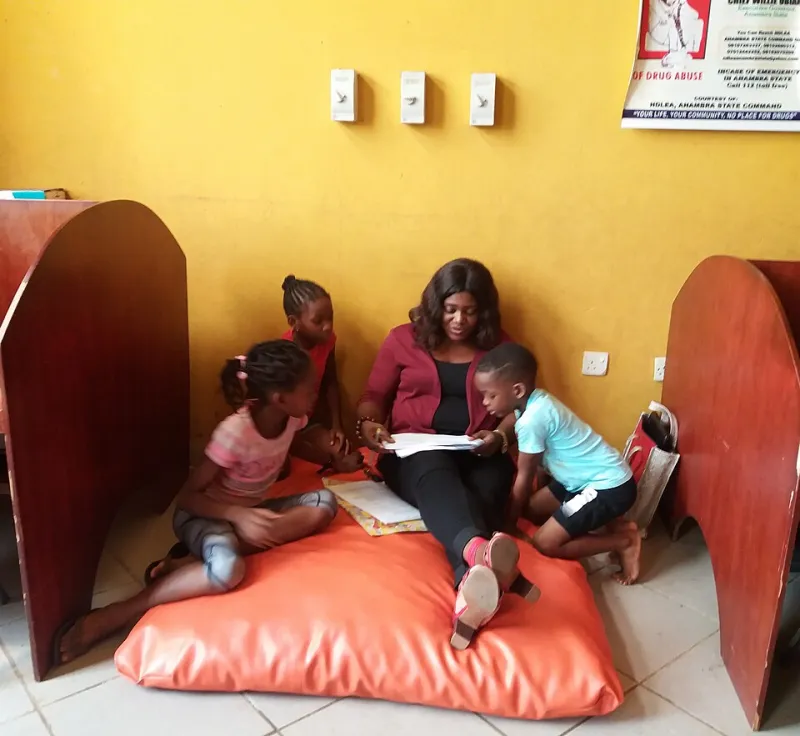
Photo: Ngostary2k, CC BY-SA 4.0, via Wikimedia Commons
You land in a new city, drop your bag, and do the predictable thing: ask the hotel desk for a map. The map is usually fine. It is also usually the same laminated sheet everyone else gets, with the same three restaurants and the same sponsored attractions. Here is a better first stop, and it costs nothing: the public library.
Not as a rainy-day backup. Not as a place to kill an hour before check-in. The library is a civic living room, a free information desk, and a surprisingly good introduction to how a city actually works. In a country where we tend to treat libraries as background infrastructure, that makes them the most underrated first stop in any American city.
The desk that beats the concierge
Librarians answer questions for a living. That is the whole job. They know which farmers market is actually worth waking up for, which bus route saves a twenty-dollar rideshare, and which neighborhood is better for an evening walk than the one plastered on every travel list.
Walk up to the reference desk and ask specific questions. Not 'What should I do?' That is too broad. Try: 'If you had one free afternoon and no car, where would you go?' Or: 'Which local museum is small but genuinely worth it?' Or: 'What is the one restaurant near here that locals fight over?'
You will often get a better answer in five minutes than you would from an hour of scrolling. Hotel desks are trained to be helpful, but they are also trained to point you toward partners and easy wins. Librarians have no commission. They just know the city.
Museum passes, event calendars, and free stuff
Many U.S. library systems lend museum passes, park passes, or other attraction cards. The rules vary by city, and some require a local card or a deposit, so ask before you assume. But it is worth checking. A library pass can turn a pricey museum afternoon into a cheap one, and it often gets you into smaller cultural spots you would have missed.
The event calendar is the other gold mine. Libraries host author talks, film screenings, language exchanges, repair cafes, story hours, craft nights, and neighborhood meetings. These are not tourist productions. They are what locals actually do on a Tuesday. Pick one event, show up, and you have a reason to be in a neighborhood instead of just passing through it.
Ask which branch has the best local history room. Ask if they keep back issues of the neighborhood newspaper. Ask where the bulletin board is. Those small things add up to a much richer trip than another checklist.
The neighborhood cheat sheet
Every library branch has a personality, because every branch reflects the neighborhood around it. The downtown branch may be all commuters and computers. The branch near the park may be full of parents and retirees. The branch in a college neighborhood may have a zine rack and a free table stacked with flyers.
Use that. Ask a librarian which branch they would visit if they had a free morning. Then go. You will end up in a part of town that is not built around tourism, which is usually the point.
And do not ignore the physical bulletin board near the entrance. It is a hyperlocal feed: apartment listings, guitar lessons, church suppers, lost cats, neighborhood cleanups, and the occasional weird community theater audition. It tells you what is happening this week, not what happened to be popular three years ago when someone wrote a listicle.
How to do it without being a nuisance
Time your visit. Avoid the after-school rush and the toddler story hour if you need a quiet conversation. Bring a few focused questions instead of a vague request for a full itinerary. If the library sells used books or has a friends-of-the-library sale, buy something small. Respect the rules, keep your voice down, and do not treat the place like a free coworking space with no limits.
You do not need to stay long. Twenty or thirty minutes is enough to get oriented, grab a map, check the event calendar, and ask two good questions. If you are early for check-in, the library may also have Wi-Fi, restrooms, water, and a place to sit. Some have lockers or baggage rules, so check before you haul in a giant suitcase.
A first stop that sets the tone
Starting at the library changes the shape of a trip. You begin with residents instead of tourists. You get free air conditioning, free information, and a sense of how the city invests in public life. You leave with a flyer for a tamale dinner, a museum pass, and a librarian's honest opinion about which barbecue spot is coasting on reputation.
That is a better welcome than a laminated map. Check out the city before you check in.