Read the Aisles: What a 20-Minute Grocery Run Tells You About a Town
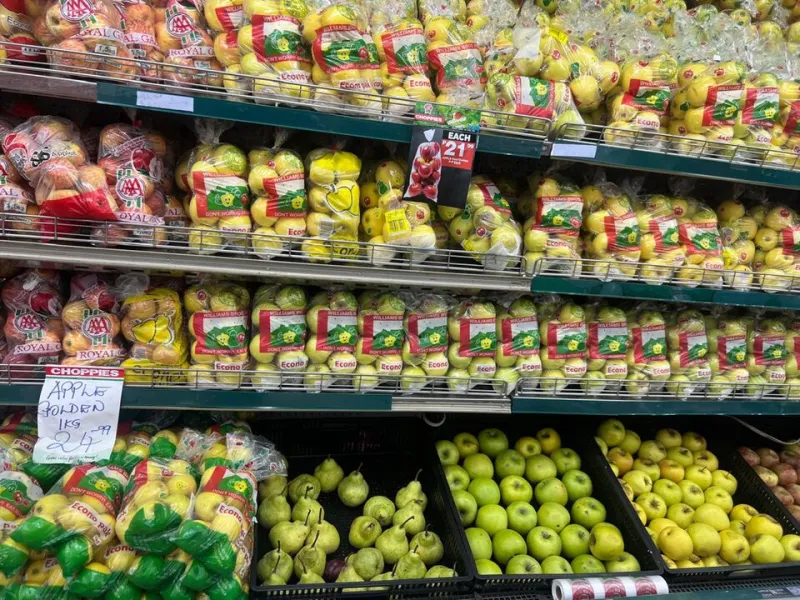
Photo: Olgatladi2020, CC BY-SA 4.0, via Wikimedia Commons
The first thing I do in a new town is not find the best coffee shop. It is find the grocery store. Not the fancy one near the hotel. The one where people actually shop for dinner.
This is not about stocking up on snacks. It is about reading the place. A supermarket is a town's pantry, and the pantry tells you what people eat, what they can afford, what they celebrate, and what they argue about in the checkout line. Twenty minutes in the right store can give you more useful trip intel than an hour on your phone.
Pick the right store
Ask the hotel desk where they shop. Ask a bartender. Ask the person bagging your coffee. You want the store locals use for a normal week, not the boutique market with nine kinds of mustard and a $14 block of butter. Look for a regional chain, a co-op, or a market that matches the neighborhood.
In Texas, that might mean H-E-B. In the Southeast, Publix. In the Northeast, Wegmans or Market Basket. In the Midwest, Hy-Vee. Out West, WinCo or a local co-op. The names change, but the logic does not: the store is a map of local taste.
Start at the deli counter
The deli counter is the fastest way into a town's lunch culture. What is the special? Fried chicken? Breakfast tacos? Muffulettas? Pimento cheese? Green chile stew? Order the smallest portion of whatever the person in front of you ordered, or ask the counter staff what people drive across town for.
This is also a cheap meal. Grab a sandwich or a container of something local, then sit near the front window and watch the store work. You will see who shops at lunch, who runs in for one item, and who seems to know every employee by name.
A good prompt: 'What do locals buy here that visitors always miss?' Another: 'What should I try if I only get one thing?' Most deli workers are happy to answer. They are not being paid to sell you a package tour.
The shelves are a regional map
Walk the aisles slowly. Look for brands you cannot get at home. Local hot sauce, regional chips, a dairy brand with a funny name, a soda that only exists in this part of the country. Check the endcaps and the 'local' tags. Look at the freezer section for specialties that tell you what people eat on a random Wednesday.
The international aisle is its own short history of who lives nearby. The bulk section tells you whether this is a town that cooks. The beer cooler tells you what people actually drink when they are not trying to impress anyone.
Buy one thing. A jar of local salsa, a bag of regional chips, a bottle of something you have never seen. It is a cheap souvenir, and it gives you a reason to ask a follow-up question at checkout.
The bulletin board is the real events calendar
Near the entrance, there is almost always a bulletin board. This is the hyperlocal internet, printed on paper and thumbtacked into place. Church suppers. 5K runs. Guitar lessons. Town hall meetings. A tamale sale. A lost cat. A community theater audition for a play you have never heard of.
Take a photo. Note the dates. This is where you find the stuff that does not show up in the visitor guide. If a flyer says there is a fish fry on Friday, that is a plan. If there is a library book sale, that is a plan. If someone is advertising a neighborhood cleanup, that is a window into local pride.
Grab the free local newspaper if there is one. Check the community calendar. You are not being nosy. You are being a better traveler.
Checkout line sociology
Listen. The checkout line is where a town talks to itself. You will hear about weather, schools, sports, road construction, and the price of everything. You will see what people buy in bulk: cases of water, deer corn, beach gear, school snacks. That tells you the season and the lifestyle.
Ask the cashier one or two easy questions. 'If I have one free afternoon, where should I go?' 'What is the best cheap eat near here?' 'What is the local specialty I should not leave without trying?' Do not hold up the line. Do not ask for a full itinerary. Just let the conversation happen.
If you are bagging your own groceries, even better. You are standing shoulder to shoulder with people doing a normal task. That is where the good stuff lives.
Prompts to bring
Keep these in your pocket: What do locals buy that visitors miss? What is the deli special today? What is on the bulletin board this week? Which local brand should I take home? Where would you send a friend for one good meal? What is the one neighborhood spot that tourists always skip?
You will not get gold every time. Some stores are just stores. But when it works, the grocery run becomes a tiny field study. You leave with lunch, a local snack, a flyer for a Friday fish fry, and a recommendation for a taqueria that was not on any list.
Turn the errand into a plan
Buy a picnic. Use the receipt as a map of what you noticed. Follow up on one flyer. Go back at a different time of day if you can. The grocery store is not a substitute for actually talking to people, but it is a great way to start the conversation.
Read the aisles. The town is in there.